
Health in the USA: A Complete Guide to Staying Healthy in America
Meta Title: Health in the USA: Healthcare System, Tips, and Healthy Living Guide
Meta Description: Learn everything about health in the USA, including healthcare services, health insurance, preventive care, healthy lifestyle tips, and common health challenges.
Health in the USA: Everything You Need to Know
Health is one of the most valuable assets a person can have, and maintaining good health is essential for living a long, productive, and fulfilling life. In the United States, millions of people focus on preventive care, healthy eating, regular exercise, and quality healthcare to improve their overall well-being. Understanding the healthcare system and adopting healthy habits can significantly reduce the risk of chronic diseases while improving quality of life.
This guide explores the healthcare system in the USA, common health concerns, preventive measures, and practical tips for living a healthier life.
Understanding Health in the USA
Health in the USA involves physical, mental, and emotional well-being. Americans have access to advanced medical technology, world-class hospitals, and highly trained healthcare professionals. However, maintaining good health also depends on healthy lifestyle choices, preventive screenings, and access to healthcare services.
Good health includes:
- Physical fitness
- Mental wellness
- Healthy nutrition
- Preventive healthcare
- Disease management
- Regular medical checkups
The U.S. Healthcare System

The healthcare system in the United States is made up of private and public healthcare providers.
Healthcare services include:
- Primary care physicians
- Specialist doctors
- Hospitals
- Emergency departments
- Urgent care centers
- Community health clinics
- Telehealth services
Many Americans receive healthcare coverage through employer-sponsored health insurance, while others purchase private insurance or qualify for government-supported healthcare programs.
Importance of Preventive Healthcare
Preventive care helps identify health problems before they become serious.
Common preventive services include:
- Annual physical exams
- Blood pressure screening
- Cholesterol testing
- Diabetes screening
- Cancer screenings
- Vaccinations
- Vision and dental checkups
Regular preventive care often reduces healthcare costs by detecting diseases early.
Healthy Eating Habits
A balanced diet plays a critical role in maintaining overall health.
Healthy foods include:
- Fresh fruits
- Vegetables
- Whole grains
- Lean protein
- Fish
- Low-fat dairy products
- Healthy fats
- Plenty of water
Limiting processed foods, sugary beverages, and excessive sodium can reduce the risk of obesity, heart disease, and diabetes.
Benefits of Regular Exercise
Physical activity improves both physical and mental health.
Experts recommend at least 150 minutes of moderate exercise per week.
Popular activities include:
- Walking
- Running
- Cycling
- Swimming
- Strength training
- Yoga
Regular exercise helps:
- Maintain a healthy weight
- Lower blood pressure
- Improve heart health
- Strengthen muscles
- Reduce stress
- Improve sleep quality
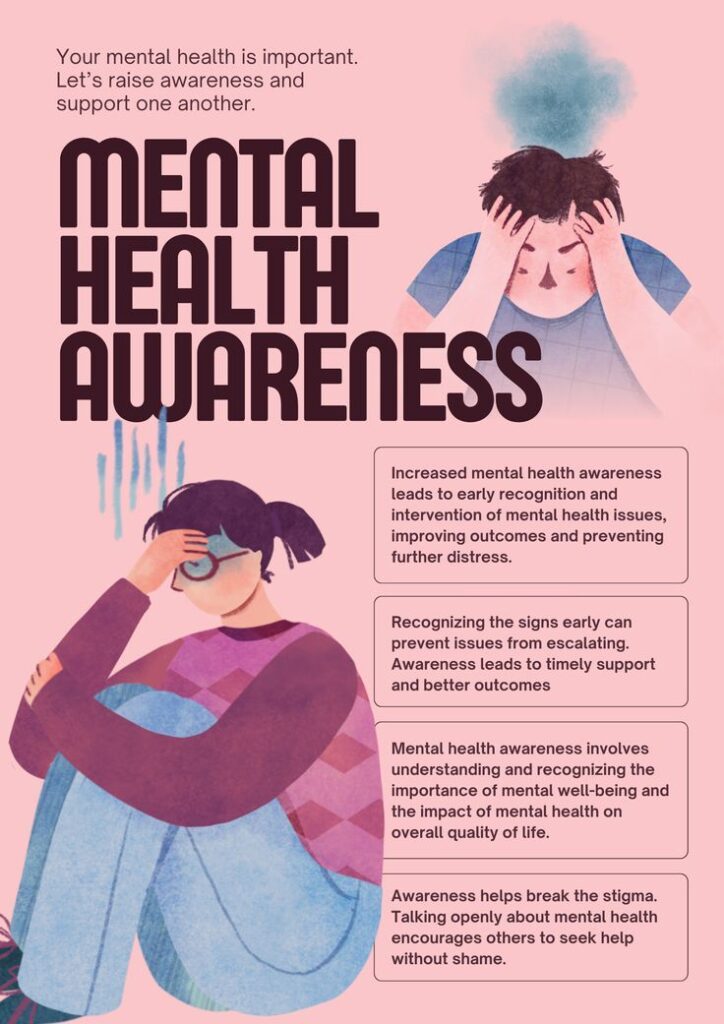
Mental Health Matters
Mental health is an essential part of overall wellness.
Common mental health conditions include:
- Anxiety
- Depression
- Stress-related disorders
- Burnout
Ways to improve mental health include:
- Getting enough sleep
- Staying physically active
- Practicing mindfulness
- Talking with friends and family
- Seeking professional counseling when needed
Early treatment can significantly improve mental well-being.
Common Health Challenges in the USA
Several chronic diseases affect millions of Americans each year.
These include:
Heart Disease
Heart disease remains one of the leading causes of death in the United States. Healthy eating, exercise, and regular medical care can reduce risk.
Diabetes
Type 2 diabetes is increasingly common but can often be prevented through healthy lifestyle choices and weight management.
Obesity
Obesity increases the risk of heart disease, diabetes, stroke, and certain cancers. Balanced nutrition and regular exercise are key to prevention.
Cancer
Early detection through routine screenings greatly improves treatment outcomes for many types of cancer.
High Blood Pressure
High blood pressure often has no symptoms but increases the risk of heart attacks and strokes if left untreated.
Importance of Health Insurance
Health insurance helps cover medical expenses such as:
- Doctor visits
- Hospital stays
- Emergency treatment
- Prescription medications
- Preventive care
- Laboratory testing
Having health insurance can reduce out-of-pocket costs and improve access to quality healthcare services.
Healthy Lifestyle Tips
Improve your overall health by following these habits:
- Eat nutritious meals every day.
- Exercise regularly.
- Drink plenty of water.
- Avoid smoking and tobacco products.
- Limit alcohol consumption.
- Get 7–9 hours of sleep each night.
- Manage stress through relaxation techniques.
- Schedule routine health checkups.
Small daily habits can have a significant impact on long-term health.
Healthcare Technology in the USA
Modern technology continues to improve healthcare services through:
- Electronic medical records
- Telemedicine appointments
- Mobile health applications
- Wearable fitness devices
- AI-assisted diagnostics
- Remote patient monitoring
These innovations make healthcare more accessible and efficient.
Frequently Asked Questions
Why is preventive healthcare important?
Preventive care helps detect health conditions early, making treatment more effective and reducing the risk of serious complications.
How often should adults have a medical checkup?
Most healthy adults should have a routine checkup at least once a year, though the frequency may vary based on age, medical history, and healthcare provider recommendations.
What are the biggest health concerns in the USA?
Some of the most common health concerns include heart disease, diabetes, obesity, cancer, high blood pressure, and mental health conditions.
Can healthy habits reduce medical expenses?
Yes. Maintaining a healthy lifestyle can lower the risk of chronic diseases, reduce the need for expensive medical treatments, and improve overall quality of life.
Final Thoughts
Health in the USA is supported by advanced medical care, preventive services, and growing awareness of healthy living. While access to healthcare is important, daily lifestyle choices play an equally significant role in maintaining long-term wellness.
By eating nutritious foods, staying physically active, managing stress, getting regular health screenings, and maintaining health insurance coverage, individuals can protect their health and enjoy a higher quality of life. Investing in your health today is one of the most valuable decisions you can make for a healthier and